 Skip to content



Clawfoot Tubs, Bathtubs & Showers: A Homeowner’s Installation Guide
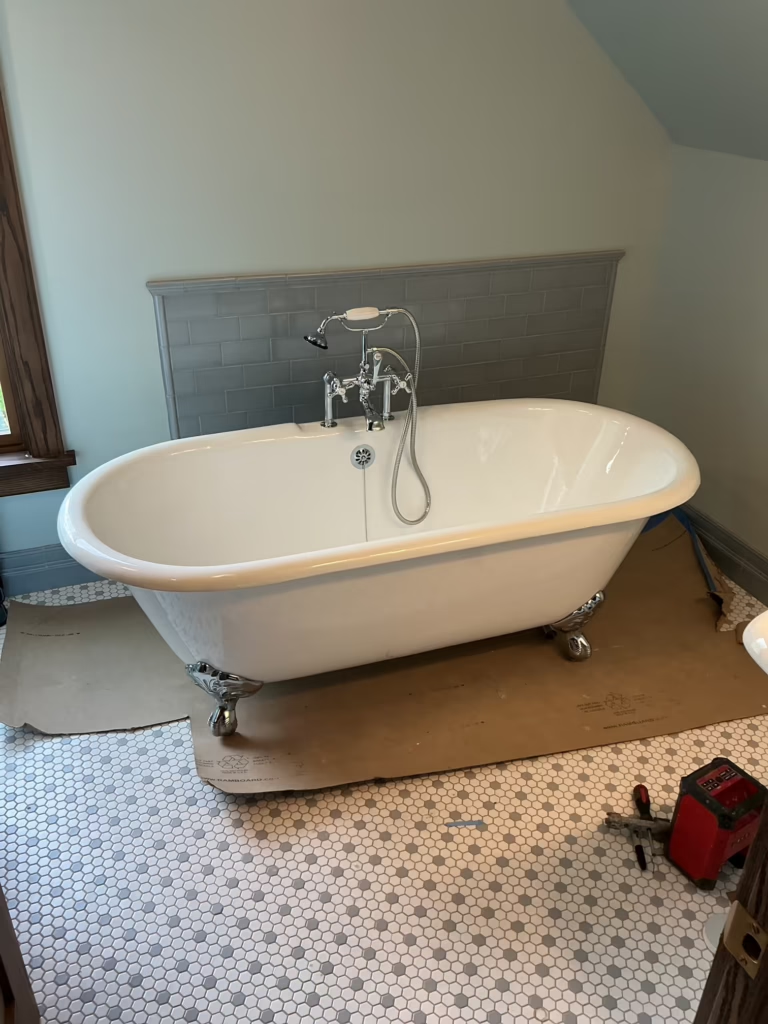
Clawfoot Tubs, Bathtubs & Showers: A Homeowner’s Installation Guide The tub or shower you choose sets the look, comfort and plumbing demands of your whole bathroom. Whether you dream of a vintage clawfoot soaker, need a dependable everyday bathtub, or want a sleek walk-in shower, the installation matters as much as the fixture itself. Call 216-402-0737 4.9★ Google Rating OH# License 50173 Licensed & Fully Insured Local Cleveland Technicians Upfront, Honest Pricing Locally Owned & Operated Clawfoot tubs: timeless style, real planning A clawfoot tub turns a bathroom into a showpiece. Its deep, freestanding basin is made for long soaks, and it works in both historic homes and modern spaces. But because it stands on its own, a clawfoot needs more planning than a standard tub. Materials to know Cast iron with porcelain enamel: the classic choice. It holds heat well and lasts for generations, but a filled tub can weigh well over 1,000 lbs. Acrylic: much lighter and less expensive, with good heat retention. Easier to move upstairs and less demanding on your floor. Restored antiques: full of character, but often need reglazing and updated drain and supply parts before installation. What a clawfoot install involves Floor support We check joist size, span and condition before setting a cast iron tub, and add reinforcement when needed. Exposed plumbing Supply lines and the drain are often visible, so finish and placement matter. Options include floor-mounted supplies, wall-mounted supplies, or a faucet mounted on the tub rim. Drain location Freestanding tubs need the drain roughed in exactly where the tub will sit, which may mean opening the floor. Shower options A clawfoot can double as a shower with a riser kit and a ring-style curtain rod. Bathtubs: finding the right fit for everyday use Most homes need at least one tub, especially for young kids, resale value or a relaxing soak. The right style depends on your layout and how you use the space. Alcove tubs: set between three walls, usually with a shower above. The most space-efficient and budget-friendly option. Drop-in tubs: set into a framed deck, often tiled. Good for larger bathrooms and a custom look. Freestanding tubs: modern cousins of the clawfoot, with sleek lines and no feet. Same floor and drain planning applies. Soaking tubs: extra-deep basins designed for full-body immersion. Whirlpool and air tubs: jets for a spa experience. These need a dedicated electrical circuit and an access panel for service. Showers: walk-ins, conversions and upgrades Showers are the fastest-growing bathroom upgrade. They save water and time, and a low or no-threshold entry makes the bathroom safer as you age. Popular shower projects Walk-in showers: open, glass-enclosed designs that make a bathroom feel larger. Tub-to-shower conversions: replace a rarely used tub with a roomy shower. The drain usually needs to move and resize to handle shower flow. Curbless showers: a seamless floor with no step. The floor must be recessed and sloped precisely to keep water in place. Shower kits and prefab bases: quicker, lower-cost installs with fewer seams to maintain. What’s behind a great shower Pressure-balancing or thermostatic valve Keeps water temperature steady and prevents scalding when someone flushes a toilet. Proper drain and slope Linear or center drains, sized and pitched so water never pools. Waterproofing A continuous membrane behind tile is the difference between a shower that lasts and one that rots the wall. Fixtures Rain heads, handheld wands, body sprays and grab bars are easiest to add while the walls are open. Drain Cleaning Slow or blocked drains cleared completely — kitchen, bath, floor drains, and main line.. Learn More Water Heater Service Repair, replacement, and installation for gas, electric, and tankless water heaters. Learn More Leak Detection Precision diagnostics to locate hidden leaks before they cause serious structural damage. Learn More Sewer Line Repair Camera inspection, trenchless repair options, and full excavation when needed. Learn More Commercial Plumbing Full-service commercial repairs, backflow testing, hydro jetting, and maintenance contracts. Learn More Emergency Plumbing Burst pipes, overflows, no hot water. We respond fast, day or night, with no holiday surcharges. Learn More Pipe Repair & Repiping Burst pipes, overflows, no hot water. We respond fast, day or night, with no holiday surcharges. Learn More Basement Flooding Water moves fast — basements flood, drywall swells, mold starts within 48 hours. We extract, dry, and restore before damage spreads. Learn More Backflow Testing Annual backflow testing keeps your water supply safe and your property compliant. Certified testing, fast turnaround, filed with the city for you. Learn More Hydro Jetting High-pressure water clears years of grease, roots, and buildup that snaking can’t touch. The deep clean your main line actually needs. Learn More General Plumbing From small fixes to full system work, our licensed plumbers handle it all. One call covers whatever’s going on in your home. Learn More Bathroom Plumbing Toilets, tubs, showers, and vanities — installed, repaired, or replaced. We keep your bathroom running without the mess. Learn More Sink Repair Clogs, leaks, low pressure, or a sink that won’t drain right. We diagnose it fast and fix it the first time. Learn More Sump Pumps Installation, repair, and battery backup options to keep your basement dry when storms hit. Don’t wait for a flood to find out yours has failed. Learn More Water Filtration Whole-home filtration and softening systems for cleaner, better-tasting water. We size and install the right system for your home. Learn More Service Area Cleveland Lakewood Westlake Brook Park Garfield Heights Cleveland Heights Old Brooklyn Edgewater Euclid Shaker Heights Sheffield Parma Bay Village Berea Kirkland Park Rocky River Highland Heights Avon Chagrin Falls Broadview Heights
Plumbing in Westlake, Ohio: Common Issues Homeowners Face
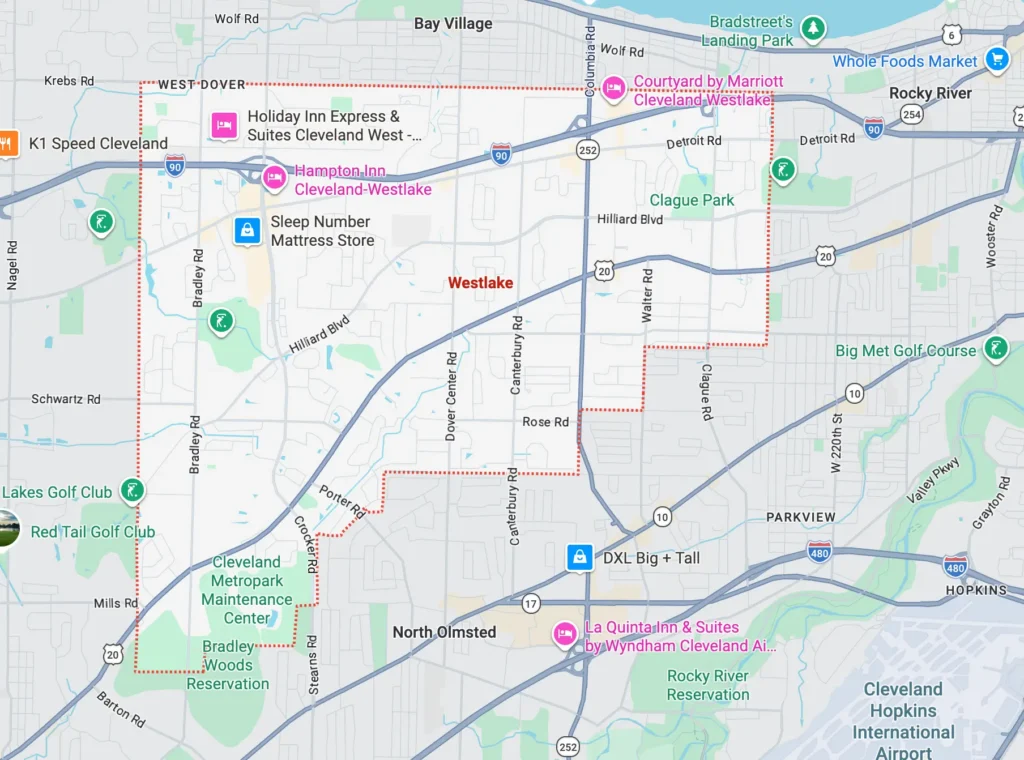
Plumbing in Westlake, Ohio: Services & Common Issues Homeowners Face Westlake homes are generally newer than what you’ll find in Cleveland’s inner-ring suburbs, but “newer” doesn’t mean problem-free. Here’s what Westlake homeowners should know about their plumbing, and the services we provide throughout the city. Call 216-402-0737 4.9★ Google Rating OH# License 50173 Licensed & Fully Insured Local Cleveland Technicians Upfront, Honest Pricing Locally Owned & Operated Basement Flooding Is Westlake’s Biggest Plumbing Concern If there’s one issue that comes up more in Westlake than almost anywhere else we serve, it’s basement flooding. Heavy spring rains and sudden summer downpours put real pressure on sump pumps and foundation drainage systems throughout the city, and a sump pump that isn’t tested and maintained is one of the most common reasons a Westlake basement floods during a bad storm. This is especially common with garden hoses left connected over winter. A hose acts like a cap on the end of your spigot, trapping water in the line that has nowhere to expand except backward into the pipe inside your home. Common Plumbing Issues in Westlake Homes Aging water heaters With so much of Westlake’s housing built from the 1950s through the 1990s, a lot of original or early-replacement water heaters are now well past or approaching the end of their expected lifespan. A tank over 10-12 years old is worth having inspected before it fails. Hard water buildup Like most of the Cleveland area, Westlake’s water carries enough mineral content to cause scale buildup in water heaters, faucets, and fixtures over time, something to factor in if you’re noticing reduced water pressure or flow. Sewer line issues in older sections While much of Westlake is newer than neighboring Cleveland suburbs, the city’s older pockets near its original Dover Township core can still have aging sewer laterals, and decades of mature tree growth throughout the city means root intrusion is a real possibility anywhere with established landscaping. Fixture & supply line wear Homes built during Westlake’s big growth decades are now 30 to 70 years old, which means original fixtures, shutoff valves, and supply lines in many houses are reaching a point where failures become more common, even if the home itself still looks and feels newer. Storm & groundwater pressure on foundations Beyond the sump pump itself, foundation drainage, grading, and gutter discharge all play a role in how much water pressure your basement deals with during Ohio’s heavier rain events. Plumbing Services We Provide in Westlake Northeast Plumbing & Mechanical offers full-service residential and commercial plumbing throughout Westlake, including: Emergency Plumbing A burst pipe or a failed water heater doesn’t wait for business hours. Our team is available 24/7 to provide rapid emergency service and protect your property from damage. Residential Plumbing We handle everything from leaky faucets and clogged drains to complete sewer line replacements and water heater installations from homes throughout Westlake. Commercial Plumbing We support local businesses with specialized services, including back-flow prevention, grease trap cleaning, and commercial-grade fixture installation, ensuring your operations run smoothly. Drain Cleaning Slow or blocked drains are no match for our advanced tools and techniques. We’ll have your water flowing freely again in no time. Sump Pump Services Protect your basement from flooding, especially during Ohio’s rainy seasons. We offer sump pump repair, maintenance, and installation. Local Knowledge That Makes a Difference We’ve worked in Westlake long enough to know its building patterns, its flood-prone stretches, and the kind of plumbing systems common to homes from each era of the city’s growth. That local familiarity means faster, more accurate diagnoses, whether you’re dealing with a sump pump that’s been overwhelmed by a storm or a water heater that’s simply reached the end of its life. If you’re a Westlake homeowner dealing with a flooded basement, a sump pump you’re not confident in, or any other plumbing concern, give Northeast Plumbing & Mechanical a call at (216) 402-0737, skilled work, earned trust, every job. CONTACT US Name Email Phone Services Needed Water Pressure Problems Gas Line Installation or Repair Routine Maintenance Request Septic Tank Services Backflow Prevention Inquiry Commercial Plumbing Needs Residential Plumbing Needs Other Send Site Map – Privacy Policy – Cleveland Plumbing Services Facebook Youtube Tiktok Instagram (216)402-0737 admin@neplumbing.net 13300 Madison Ave Lakewood, Ohio 44107 OH Licence # 50173 © 2025 Northeast Plumbing. All rights Reserved. Facebook-f Twitter Google-plus-g Pinterest
Don’t Forget This Step: Turning Off Your Outside Water Before Winter
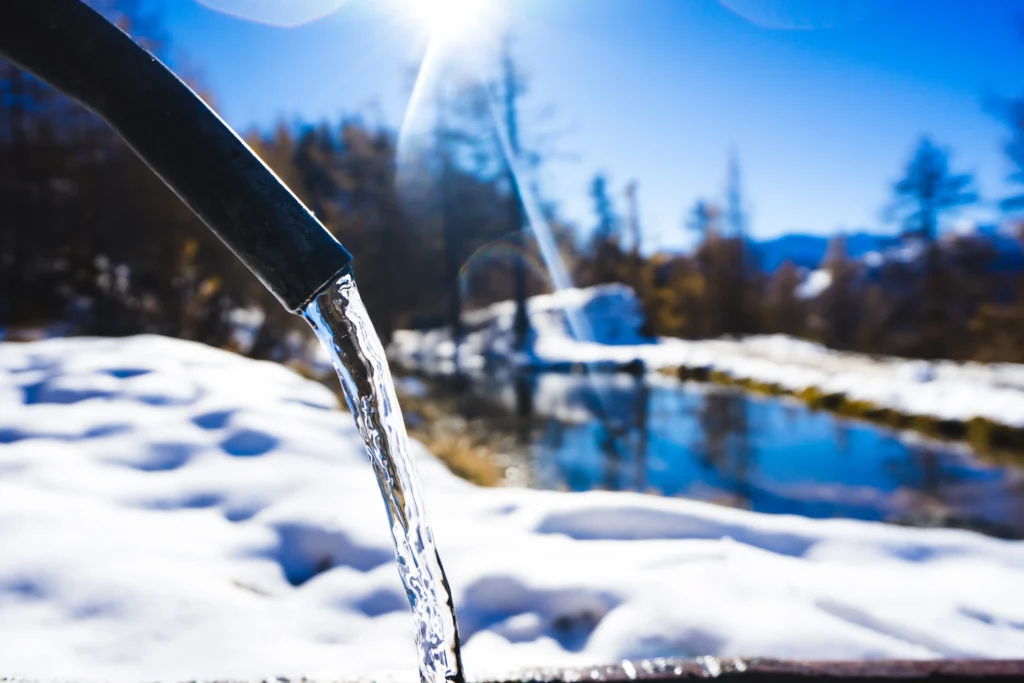
Don’t Forget This Step: Turning Off Your Outside Water Before Winter Every fall, we get calls from homeowners dealing with a cracked pipe behind a wall, a flooded basement, or a hose bib that’s split wide open, and almost every time, the cause is the same: water left sitting in an outdoor line when the temperature dropped. It’s one of the simplest tasks on any fall checklist, and it’s also one of the most skipped. Call 216-402-0737 4.9★ Google Rating OH# License 50173 Licensed & Fully Insured Local Cleveland Technicians Upfront, Honest Pricing Locally Owned & Operated Why This One Step Matters So Much Water expands as it freezes, by about 9%. If there’s water trapped in a length of pipe with nowhere to go, that expansion has to be absorbed somewhere, and often that “somewhere” is a crack in the pipe itself. The frustrating part is that the crack usually doesn’t show itself until the ice thaws days or weeks later, at which point water is flowing freely through a break that’s often hidden inside a wall or ceiling. By the time you notice, you’re not dealing with a simple outdoor faucet repair, you’re dealing with interior water damage. This is especially common with garden hoses left connected over winter. A hose acts like a cap on the end of your spigot, trapping water in the line that has nowhere to expand except backward into the pipe inside your home. How to Properly Shut Off Your Outside Water 1. Disconnect every garden hose. Even if you’re not using a hose again until spring, leaving it connected traps water in the spigot and line. Disconnect, drain, and store hoses before the first hard freeze. 2. Find your interior shutoff valve. Many homes have a dedicated shutoff valve for each outdoor spigot, usually located in the basement or crawl space, close to where the pipe exits the house. Turn it off completely. 3. Drain the line. After shutting the interior valve, open the outdoor spigot to let any remaining water drain out and relieve pressure in the line. Leave the spigot open through the winter, an open spigot with an empty line is safe; a closed spigot with trapped water is the actual risk. 4. Check for an interior bleeder valve. Some shutoff setups include a small bleeder cap or valve near the interior shutoff, specifically for draining residual water from the line. If yours has one, open it briefly to clear the pipe. 5. Insulate exposed spigots. A foam faucet cover adds an extra layer of protection for the spigot itself, especially useful if your home doesn’t have a dedicated interior shutoff or if the spigot is in an exposed, wind-prone spot. What About Frost-Free Faucets? Many newer homes have frost-free (or “freeze-proof”) hose bibs, which are designed with the actual shutoff valve set back inside the wall, away from the cold. These are built to reduce freeze risk even without an interior shutoff, but they only work as intended if the hose is disconnected. A hose left attached to a frost-free spigot defeats the purpose entirely, trapping water in the same way it would with a standard spigot. Don’t Forget the Rest of Your Outdoor Water Irrigation/sprinkler systems Should be professionally blown out with compressed air to clear water from the underground lines and valves. Outdoor kitchens or wet bars With plumbed water lines need the same shutoff-and-drain treatment as an indoor line exposed to an unheated space. Detached garages or sheds With plumbing should be checked individually, they often don’t get the same attention as the main house. Pool and fountain lines If applicable, should be winterized according to manufacturer guidance, since standing water in these systems freezes just as easily. When Should You Do This? In Greater Cleveland, it’s best to have outdoor water shut off and drained before the first hard freeze, typically sometime in October, though a stray early cold snap isn’t unusual. Once temperatures start dipping below freezing overnight, it’s better to have already handled it than to be scrambling on a cold Saturday morning. If You’re Not Sure Your Home Is Ready Not every home is set up the same way, some don’t have an easily accessible interior shutoff, and older homes may have outdoor plumbing that needs a closer look before winter hits. If you’re not confident your setup is protected, it’s worth having it checked rather than finding out the hard way in January. Northeast Plumbing & Mechanical has helped homeowners across Cleveland and the surrounding communities winterize their homes for more than 30 years. Give us a call at (216) 402-0737 and we’ll make sure your outdoor water is properly shut off before the freeze, skilled work, earned trust, every job. CONTACT US Name Email Phone Services Needed Water Pressure Problems Gas Line Installation or Repair Routine Maintenance Request Septic Tank Services Backflow Prevention Inquiry Commercial Plumbing Needs Residential Plumbing Needs Other Send Site Map – Privacy Policy – Cleveland Plumbing Services Facebook Youtube Tiktok Instagram (216)402-0737 admin@neplumbing.net 13300 Madison Ave Lakewood, Ohio 44107 OH Licence # 50173 © 2025 Northeast Plumbing. All rights Reserved. Facebook-f Twitter Google-plus-g Pinterest
City Water: Why It Pays to Know What’s in Your Water
City Water: Why It Pays to Know What’s in it Most homeowners don’t think much about what’s actually in their tap water until something tips them off, a smell, a stain, a taste that’s just a little off. But the water flowing into your home isn’t uniform from city to city, or even street to street. Call 216-402-0737 4.9★ Google Rating OH# License 50173 Licensed & Fully Insured Local Cleveland Technicians Upfront, Honest Pricing Locally Owned & Operated Chlorine: Your Water’s First Line of Defense If you’re on a municipal water system, chances are your water is treated with chlorine or chloramine at the treatment plant. It’s added deliberately, chlorine disinfects the water, killing bacteria and other pathogens before it ever reaches your tap. It’s one of the reasons municipal water is safe to drink straight from the faucet. That said, chlorine has side effects worth knowing about. It can give water a faint pool-like smell or taste, which some households find noticeable, especially right after a treatment plant adjusts dosing. Over the long term, chlorinated water can also be a little harder on certain rubber gaskets and seals in fixtures and appliances, which is one more reason those parts eventually need replacing. Iron: The Reddish-Brown Culprit Iron in water shows up as reddish-brown or orange staining, on sinks, tubs, toilets, laundry, and sometimes in the water itself if the concentration is high enough. It can come from natural mineral content in the water source, but just as often in older homes, it’s coming from corroding iron or galvanized steel pipes inside the house itself, not the water utility. That distinction matters. If iron staining shows up throughout the house and matches what your water utility reports, treatment at the point where water enters your home is usually the fix. If it’s isolated to certain fixtures or gets worse over time, it may be a sign your own pipes are corroding from the inside, which is a plumbing issue, not a water quality one. Sulfur: The “Rotten Egg” Smell That distinct rotten-egg odor is caused by hydrogen sulfide gas, and it’s one of the more unpleasant water issues homeowners deal with. It’s far more common in private well water than in municipal supplies, since it often comes from naturally occurring bacteria or mineral deposits underground. If you’re on municipal water and only notice the smell from your hot water tap, the more likely cause is bacteria reacting with the anode rod inside your water heater tank; a water heater issue rather than a whole-house water quality problem. If the smell is present at every tap, hot and cold, it’s worth having your water tested to identify the source. Why Knowing Your City’s Water Matters It tells you whether hardness, iron, or other mineral levels in your area are likely to affect your plumbing and appliances over time. It helps you tell the difference between a citywide water characteristic and a problem specific to your home’s own pipes. It gives you a baseline, so if something changes, a new smell, taste, or stain, you’ll know whether it’s coming from the source or from somewhere inside your house. Treating What’s in Your Water Once you know what you’re dealing with, there’s a range of solutions, from whole-home filtration systems that address chlorine taste and odor, to water softeners that handle hardness and reduce mineral buildup in pipes and appliances, to more targeted treatment for iron or sulfur issues when they’re present. At Northeast Plumbing & Mechanical, we install whole-home filtration and softening systems designed around your household’s actual water, not a one-size-fits-all fix. If you’re dealing with staining, odor, taste issues, or you’re just not sure what’s in your water, give us a call at (216) 402-0737 and we’ll help you figure out what’s really going on, skilled work, earned trust, every job. CONTACT US Name Email Phone Services Needed Water Pressure Problems Gas Line Installation or Repair Routine Maintenance Request Septic Tank Services Backflow Prevention Inquiry Commercial Plumbing Needs Residential Plumbing Needs Other Send Site Map – Privacy Policy – Cleveland Plumbing Services Facebook Youtube Tiktok Instagram (216)402-0737 admin@neplumbing.net 13300 Madison Ave Lakewood, Ohio 44107 OH Licence # 50173 © 2025 Northeast Plumbing. All rights Reserved. Facebook-f Twitter Google-plus-g Pinterest
Gate Valves vs. Ball Valves: Why It’s Time to Retire the Old Gate Valve
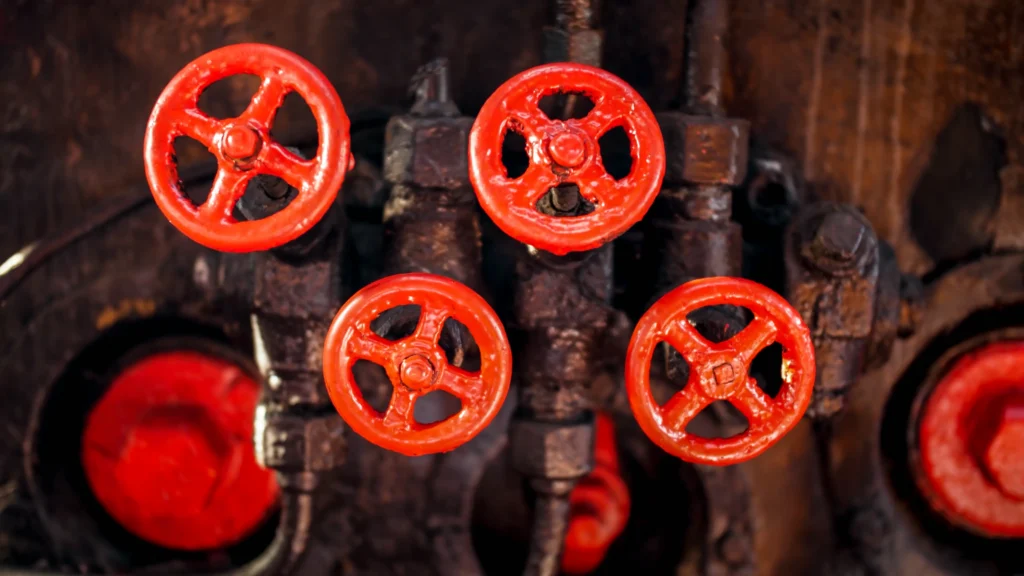
Gate Valves vs. Ball Valves: Why It’s Time to Retire the Old Gate Valve If your home still has its original shutoff valves, there’s a good chance at least a few of them are gate valves, especially in older houses across Greater Cleveland. They were the standard for decades, but the problem is, gate valves have a well-earned reputation for failing exactly when you need them most. Here’s the difference between a gate valve and a ball valve, and why we recommend swapping the old ones out before they let you down. Call 216-402-0737 4.9★ Google Rating OH# License 50173 Licensed & Fully Insured Local Cleveland Technicians Upfront, Honest Pricing Locally Owned & Operated What Is a Gate Valve? A gate valve controls water flow with a flat, wedge-shaped gate that lowers into the pipe when you turn the handle. Fully raised, water flows freely; fully lowered, it blocks the pipe completely. You can usually spot one by its round handle, which typically takes several full turns to open or close. Gate valves were the standard choice in residential plumbing for most of the 20th century. They’re simple, inexpensive, and when new, they do the job. The trouble is what happens over time. What Is a Ball Valve? A ball valve uses a hollow ball with a hole drilled through the center. Turn the handle a quarter-turn, and the hole either lines up with the pipe (open) or turns perpendicular to it (closed). You can usually identify one by its lever-style handle and the fact that it only needs a 90-degree turn to fully open or close. Ball valves became the industry standard in more recent decades because they solve most of the problems gate valves are known for. Why Gate Valves Fail Over Time Reliable, long-term sealing The ball-and-seat design holds a tight seal for many years, even with infrequent use, and is far less prone to the slow drips that plague aging gate valves. Quarter-turn operation A simple 90-degree turn fully opens or closes the valve, faster and easier to operate, especially in an emergency when every second matters. Clear visual confirmation With the lever inline with the pipe, you can tell at a glance that the valve is open; turned crosswise, it’s closed. No guessing. Better performance after sitting unused Ball valves are far less likely to seize shut from years of inactivity, which matters a lot for a shutoff valve you might not touch for a decade between uses. Durability Ball valves generally have a longer service life and hold up better to the mineral content in Cleveland-area water. Why This Matters More Than It Seems A shutoff valve is one of those things you don’t think about until you desperately need it, a burst pipe, an overflowing toilet, a water heater failure. If your main shutoff or a fixture valve is an old gate valve that’s corroded, seized, or half-failed, you may find out at the worst possible moment that it won’t fully close, or won’t close at all. That turns a contained problem into a much bigger one, fast. When to Consider Replacing Yours If your gate valves are original to an older home, if you’ve never tested them, or if you’ve noticed one that’s stiff, leaking, or hard to turn, it’s worth having them evaluated. Replacing aging gate valves with ball valves, especially at your main water shutoff, is a relatively small, affordable upgrade that pays off the moment you actually need to use it. Northeast Plumbing & Mechanical has been helping homeowners across Cleveland and the surrounding communities update aging plumbing components for more than 30 years. Give us a call at (216) 402-0737 to have your shutoff valves inspected, skilled work, earned trust, every job. CONTACT US Name Email Phone Services Needed Water Pressure Problems Gas Line Installation or Repair Routine Maintenance Request Septic Tank Services Backflow Prevention Inquiry Commercial Plumbing Needs Residential Plumbing Needs Other Send Site Map – Privacy Policy – Cleveland Plumbing Services Facebook Youtube Tiktok Instagram (216)402-0737 admin@neplumbing.net 13300 Madison Ave Lakewood, Ohio 44107 OH Licence # 50173 © 2025 Northeast Plumbing. All rights Reserved. Facebook-f Twitter Google-plus-g Pinterest
Serving All of Cuyahoga County
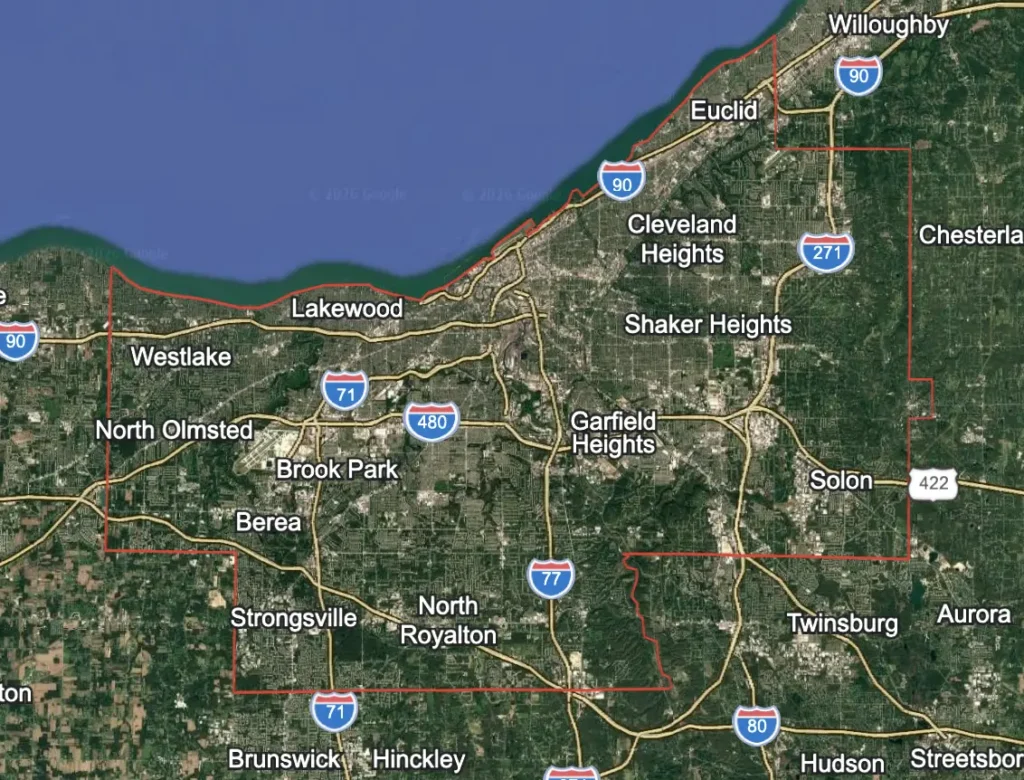
Serving All of Cuyahoga County: How Northeast Plumbing & Mechanical Covers the Greater Cleveland Area At Northeast Plumbing & Mechanical, we’ve spent more than 30 years working across that variety, which is exactly why we don’t limit ourselves to a single neighborhood or suburb. Here’s a look at how we cover Cuyahoga County, and why that countywide experience matters when you need a plumber. Call 216-402-0737 4.9★ Google Rating OH# License 50173 Licensed & Fully Insured Local Cleveland Technicians Upfront, Honest Pricing Locally Owned & Operated One County, a Lot of Different Housing Stock Cuyahoga County’s cities were built up in waves over more than a century, and that shows up in the plumbing behind the walls: Cleveland’s older neighborhoods and inner-ring suburbs like Lakewood, Cleveland Heights, Shaker Heights, and Euclid are full of homes built in the early-to-mid 1900s, often with original galvanized supply lines, cast iron or clay drains, and plumbing that’s due for an honest evaluation. Mid-century suburbs like Garfield Heights, Parma, and Brook Park saw major growth after World War II, with plumbing systems now well into their 60- to 80-year lifespan. Lakefront and western communities like Rocky River, Bay Village, and Westlake mix older homes with newer construction, each with different pressure, drainage, and fixture demands. Smaller, historic communities like Berea and Chagrin Falls Village bring their own quirks, older municipal infrastructure, established tree canopies that put stress on sewer laterals, and homes that have been added onto and modified over generations. Knowing the difference between a Lakewood two-family built in 1925 and a Westlake colonial built in 1995 isn’t just trivia, it’s what lets a plumber diagnose a problem quickly instead of guessing. Why Countywide Coverage Matters A lot of plumbing companies stick to one town or a small cluster of nearby suburbs. We’ve built our business the other way, treating all of Cuyahoga County as our service area, because plumbing emergencies don’t care about municipal boundaries, and homeowners deserve the same response time and expertise whether they’re in downtown Cleveland or out toward the county line. That countywide approach means: Faster response times, since we’re not concentrated in just one corner of the county Broader experience with the full range of housing ages, pipe materials, and municipal sewer systems across the region One trusted call for households or businesses with property in more than one community Consistent service standards the same 24/7 emergency availability and workmanship no matter which Cuyahoga County community you’re in Communities We Serve Across Cuyahoga County Northeast Plumbing & Mechanical provides residential and commercial plumbing throughout Cuyahoga County, including Cleveland, Lakewood, Westlake, Brook Park, Garfield Heights, Cleveland Heights, Euclid, Shaker Heights, Parma, Bay Village, Berea, Rocky River, and Chagrin Falls Village, along with the surrounding communities that make up Greater Cleveland. Full-Service Plumbing, Wherever You Are in the County Wherever you’re located, our services include: Drain cleaning and hydro jetting Leak detection, pipe repair, and repiping Sewer repair, replacement, and camera inspections Water heater installation and repair Sump and ejector pump service Commercial and restaurant plumbing, including grease trap service Backflow testing and boiler installation Real estate plumbing inspections 24/7 emergency service One Call Covers the Whole County No matter which Cuyahoga County community you call home, or how old the pipes behind your walls are, you shouldn’t have to search for a plumber who knows your area. We already do. Give Northeast Plumbing & Mechanical a call at (216) 402-0737 for plumbing service anywhere in Cuyahoga County, skilled work, earned trust, every job. CONTACT US Name Email Phone Services Needed Water Pressure Problems Gas Line Installation or Repair Routine Maintenance Request Septic Tank Services Backflow Prevention Inquiry Commercial Plumbing Needs Residential Plumbing Needs Other Send Site Map – Privacy Policy – Cleveland Plumbing Services Facebook Youtube Tiktok Instagram (216)402-0737 admin@neplumbing.net 13300 Madison Ave Lakewood, Ohio 44107 OH Licence # 50173 © 2025 Northeast Plumbing. All rights Reserved. Facebook-f Twitter Google-plus-g Pinterest
What Is Hydro Jetting, and When Do You Need It?
What Is Hydro Jetting, and When Do You Actually Need It? Here’s what hydro jetting actually is, how it’s different from a standard drain snake, and the signs that tell you it’s time to call us instead of reaching for a bottle of drain cleaner. Call 216-402-0737 4.9★ Google Rating OH# License 50173 Licensed & Fully Insured Local Cleveland Technicians Upfront, Honest Pricing Locally Owned & Operated What Is Hydro Jetting? Hydro jetting is a drain and sewer line cleaning method that uses a highly pressurized stream of water, typically in the range of a few thousand PSI, depending on the equipment and the line, to scour the inside of a pipe clean. A specialized hose with a nozzle is fed into the line, and the water blasts in every direction as it moves through, breaking apart and flushing out whatever has built up on the pipe walls. Before we ever turn on the water, we run a camera inspection through the line. That does two things: it shows us exactly where the blockage is and what’s causing it, and it confirms the pipe is in good enough condition to handle hydro jetting safely. Older, cracked, or already-compromised pipe isn’t always a good candidate, which is why the inspection step matters as much as the jetting itself. How It’s Different from Snaking A standard drain snake (or auger) works by physically punching a hole through a clog so water can flow again. It’s fast, affordable, and it’s the right call for a lot of everyday clogs. Hydro jetting does something different: instead of just punching through the blockage, it scrubs the entire diameter of the pipe clean, edge to edge. That means it clears out grease coating the pipe walls, mineral scale, sludge, hair, and even root intrusion, not just the plug that was stopping the flow. That’s why hydro jetting tends to solve recurring problems that snaking keeps sending you right back to. Signs You Need Hydro Jetting Clogs that keep coming back If you’ve had a drain cleared more than once and it’s clogging again within weeks or months, there’s likely buildup coating the pipe that a snake didn’t fully remove. Multiple slow drains at once When several fixtures, a sink, a shower, a toilet, are all draining sluggishly around the same time, that usually points to a blockage in the main line rather than an isolated clog. Gurgling drains or sewage odors Both can mean debris or grease is trapped in the line and starting to affect airflow and flow rate throughout the system. Kitchen lines with heavy grease buildup Grease coats pipe walls and traps other debris behind it, which is exactly the kind of buildup hydro jetting is designed to strip away. Tree root intrusion Roots seek out moisture and can work their way into sewer lines through small cracks or joints over time. Hydro jetting can clear roots from the line as part of a repair plan. When It’s Not the Right Call Hydro jetting isn’t the answer for every situation. Pipes that are old, already cracked, or structurally compromised can be damaged by the pressure, which is exactly why we inspect before we jet rather than after. If a line needs repair or replacement rather than cleaning, we’ll tell you that instead of running equipment that could make things worse. Not Sure Which Your Drain Needs? That’s what the camera inspection is for. If you’re dealing with a drain that won’t stay clear, give Northeast Plumbing & Mechanical a call at 216-402-0737 and we’ll take a look, tell you plainly what’s going on, and recommend the fix that actually solves it, whether that’s a simple snake, hydro jetting, or something else. We serve Cleveland, Bay Village, Rocky River, Westlake, Parma, Strongsville, Shaker Heights, Euclid, Broadview Heights, and the rest of Greater Cleveland and Northeast Ohio. CONTACT US Name Email Phone Services Needed Water Pressure Problems Gas Line Installation or Repair Routine Maintenance Request Septic Tank Services Backflow Prevention Inquiry Commercial Plumbing Needs Residential Plumbing Needs Other Send Site Map – Privacy Policy – Cleveland Plumbing Services Facebook Youtube Tiktok Instagram (216)402-0737 admin@neplumbing.net 13300 Madison Ave Lakewood, Ohio 44107 OH Licence # 50173 © 2025 Northeast Plumbing. All rights Reserved. Facebook-f Twitter Google-plus-g Pinterest
Ejector Pumps: What They Are, What They Do, and How to Keep Yours Working
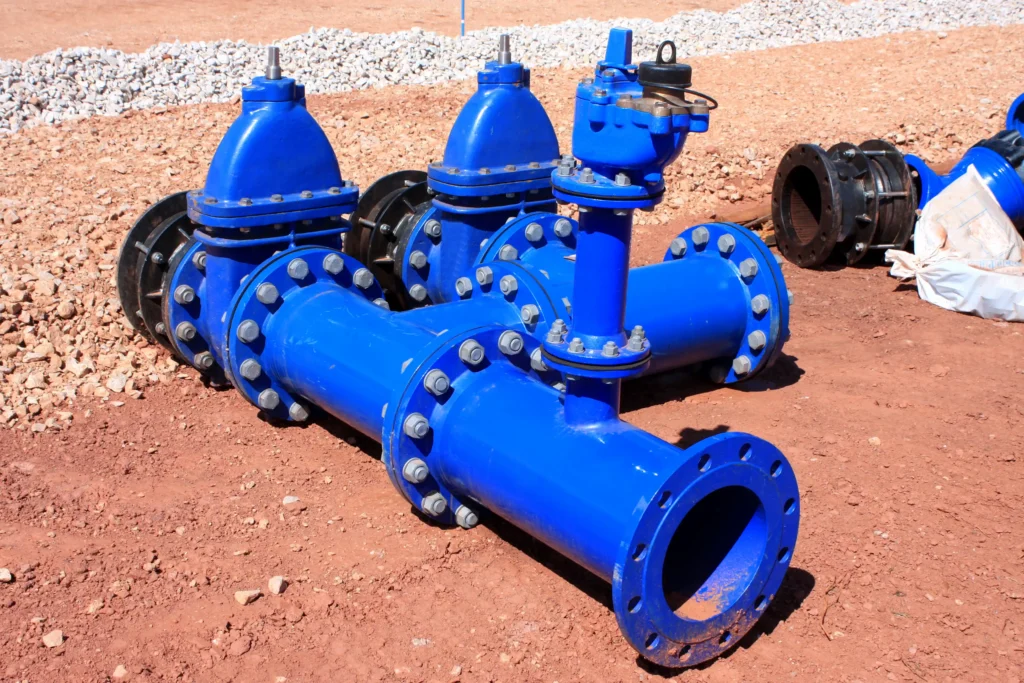
Ejector Pumps: What They Are, What They Do, and How to Keep Yours Working If your home has a basement bathroom, laundry room, or wet bar below the level of your main sewer line, there’s a good chance you have an ejector pump, and there’s an even better chance you’ve never thought about it until something went wrong. It’s one of those pieces of equipment that works quietly in the background for years, right up until it doesn’t. Here’s what an ejector pump actually does, what tends to go wrong with it, and how to keep yours in good shape. Call 216-402-0737 4.9★ Google Rating OH# License 50173 Licensed & Fully Insured Local Cleveland Technicians Upfront, Honest Pricing Locally Owned & Operated What Is an Ejector Pump? Gravity is what normally moves wastewater out of your home and into the sewer line. But any fixture installed below your home’s main sewer line, a basement bathroom, a below-grade laundry room, a basement kitchenette, can’t rely on gravity to get waste out. That’s where an ejector pump comes in. An ejector pump sits in a sealed basin (often called an ejector pit or basin) installed in your basement floor. Wastewater and sewage from those below-grade fixtures drain into the basin, and once it reaches a certain level, the pump kicks on and forces the waste up and out to your home’s main sewer line. Ejector Pump vs. Sump Pump: What’s the Difference? These two often get confused, but they do different jobs. A sump pump moves groundwater that’s collected in a sump pit, protecting your basement from flooding. An ejector pump moves wastewater and sewage from plumbing fixtures, protecting your basement plumbing from backing up. Some homes have both, and they’re not interchangeable; an ejector pump is built to handle solids in a way a standard sump pump isn’t. Common Signs of Ejector Pump Trouble Gurgling sounds & Slow draining coming from the basin or nearby drains, especially after flushing or running water below grade. In basement fixtures, a sign the pump isn’t clearing the basin as efficiently as it should. Sewage odors near the basin, which often means a seal isn’t holding or the vent isn’t working properly. The pump running constantly, or not running at all either points to a float switch problem, a stuck impeller, or a pump nearing the end of its life. Visible backup in the basin or fixtures above it, which is the clearest sign you’re dealing with a real problem, not just a maintenance reminder. Unusual noises grinding, rattling, or humming without actually pumping, often mean something is caught in the impeller. What Usually Goes Wrong Ejector pumps deal with more than water, they’re built to handle solids, but that doesn’t mean anything is fair game. The most common failures we see come from things that shouldn’t have gone down the drain in the first place: wipes (even ones labeled “flushable”), feminine hygiene products, paper towels, and other debris that jam the impeller or clog the basin. Beyond clogs, float switches wear out and stop triggering the pump correctly, check valves fail and let waste flow back into the basin, and motors simply reach the end of their service life, typically somewhere in the 7-10 year range, sooner with heavy use or neglect. How to Keep Your Ejector Pump in Good Condition Be mindful of what goes down basement drains. Only human waste and toilet paper should go into a toilet connected to an ejector system. Keep wipes, paper towels, feminine products, and grease out of any drain that feeds the basin. Check the pit periodically. If you can access the basin cover, an occasional look for unusual odor, debris, or standing water can catch a problem early. Listen for changes. A pump that suddenly sounds different, louder, more frequent cycling, or running longer than normal, is worth having checked before it fails outright. Don’t skip annual service. Like a water heater or sump pump, an ejector pump benefits from periodic professional inspection, checking the float switch, check valve, seals, and motor condition before a small issue becomes a basement full of backed-up wastewater. Know its age. If you’re not sure how old your ejector pump is or when it was last serviced, that’s worth finding out. A pump nearing the end of its expected lifespan is one you want to replace on your schedule, not during an emergency. When to Call a Plumber If you’re noticing any of the warning signs above, or if you simply don’t know the condition of your ejector pump, it’s worth having a professional take a look. A failed ejector pump doesn’t just mean an inconvenience, it can mean sewage backing up into your basement, which is a mess no one wants to deal with on their own. Northeast Plumbing & Mechanical has serviced and replaced ejector and sump pumps for homeowners across Cleveland, Lakewood, Garfield Heights, and the surrounding communities for more than 30 years. Give us a call at (216) 402-0737 to have yours checked out, skilled work, earned trust, every job. CONTACT US Name Email Phone Services Needed Water Pressure Problems Gas Line Installation or Repair Routine Maintenance Request Septic Tank Services Backflow Prevention Inquiry Commercial Plumbing Needs Residential Plumbing Needs Other Send Site Map – Privacy Policy – Cleveland Plumbing Services Facebook Youtube Tiktok Instagram (216)402-0737 admin@neplumbing.net 13300 Madison Ave Lakewood, Ohio 44107 OH Licence # 50173 © 2025 Northeast Plumbing. All rights Reserved. Facebook-f Twitter Google-plus-g Pinterest
Plumbing in Garfield Heights, OH: What Homeowners Should Know

Plumbing in Garfield Heights, OH: What Homeowners Should Know Garfield Heights has been a steady, well-established Cleveland suburb for nearly a century, the city was incorporated back in 1930, and a lot of its housing stock reflects that history. If you own a home in Garfield Heights, there’s a good chance you’re dealing with plumbing that’s decades old, whether you’ve thought about it or not. Here’s a look at the plumbing issues most common to the area, and how to keep small problems from turning into big ones. Call 216-402-0737 4.9★ Google Rating OH# License 50173 Licensed & Fully Insured Local Cleveland Technicians Upfront, Honest Pricing Locally Owned & Operated Older Homes Mean Older Plumbing Many Garfield Heights neighborhoods were built up through the mid-1900s, which means original plumbing in a lot of homes is now 60, 70, even 90+ years old. That can include galvanized steel supply lines, cast iron or clay drain lines, and fixtures that have long outlived their expected lifespan. None of that means something is wrong right now, but it does mean these systems deserve more attention than plumbing in a newer subdivision. Common Plumbing Issues We See in Garfield Heights Corroded or failing galvanized pipes. Galvanized steel pipes were standard for decades, but they corrode from the inside out over time. Low water pressure, discolored water, or a pipe that’s visibly rusted on the outside are all signs it may be time to consider repiping. Clay and cast iron sewer lines. Older sewer laterals made of clay or cast iron are prone to cracking, shifting, and, especially in tree-lined residential streets, root intrusion. Recurring backups, slow drains throughout the house, or gurgling sounds are all worth having checked with a camera inspection rather than waiting for a full backup. Aging water heaters. A water heater installed decades ago wasn’t built to today’s efficiency standards, and tanks don’t last forever. If yours is over 10-12 years old, it’s worth having it inspected before it fails, usually at the least convenient moment. Sump pump reliability. With basements common throughout Garfield Heights’ housing stock, a working sump pump is important protection during heavy spring rain and fall storms. If yours hasn’t been tested in a while, it’s an easy thing to check before you actually need it. Foundation and slab leaks. In older homes, shifting soil and aging pipe joints can lead to slow leaks under slabs or foundations, often showing up as unexplained damp spots, mysteriously higher water bills, or the sound of running water when nothing’s on. Why Local Experience Matters Plumbing work in a 1940s Garfield Heights bungalow is a different job than plumbing work in a house built ten years ago. Knowing what to expect behind the walls, original galvanized lines, older venting layouts, clay sewer laterals, makes the difference between a fast, accurate diagnosis and a lot of guesswork (and unnecessary demolition). It also means knowing which fixes are a reasonable patch and which ones are a sign it’s time to plan for a bigger update, like a full or partial repipe. Plumbing Services We Offer in Garfield Heights Northeast Plumbing & Mechanical provides full-service residential plumbing to Garfield Heights homeowners, including: Leak detection and pipe repair or repiping Drain cleaning and hydro jetting Sewer repair, replacement, and camera inspections Water heater installation and repair Sump and ejector pump service Fixture repair and replacement (faucets, toilets, sinks, tubs) Real estate plumbing inspections 24/7 emergency service, including burst pipes and pipe thawing Get to Know Your Home’s Plumbing Before It Becomes a Problem If you’re not sure what kind of pipes are behind your walls or under your yard, a straightforward inspection can tell you a lot, and give you a heads-up on what to plan for, rather than a surprise call on a holiday weekend. Northeast Plumbing & Mechanical has been serving Garfield Heights and the surrounding Cleveland communities for more than 30 years. Give us a call at (216) 402-0737 to schedule a look at your home’s plumbing, skilled work, earned trust, every job. CONTACT US Name Email Phone Services Needed Water Pressure Problems Gas Line Installation or Repair Routine Maintenance Request Septic Tank Services Backflow Prevention Inquiry Commercial Plumbing Needs Residential Plumbing Needs Other Send Site Map – Privacy Policy – Cleveland Plumbing Services Facebook Youtube Tiktok Instagram (216)402-0737 admin@neplumbing.net 13300 Madison Ave Lakewood, Ohio 44107 OH Licence # 50173 © 2025 Northeast Plumbing. All rights Reserved. Facebook-f Twitter Google-plus-g Pinterest
Commercial Grease Trap Cleaning: What Cleveland Restaurant Owners Need to Know
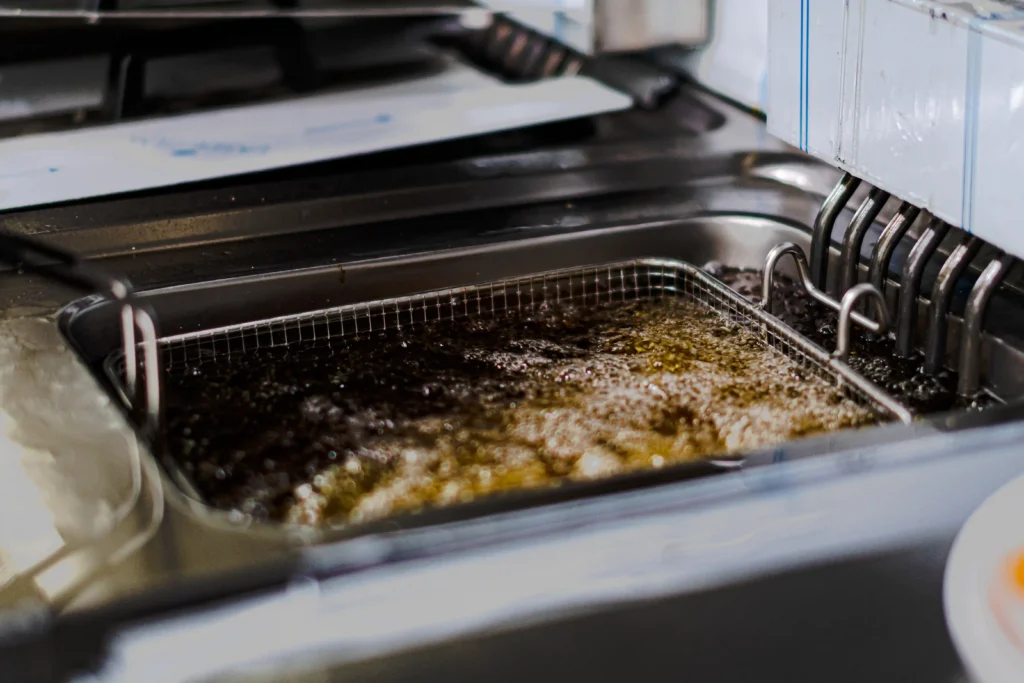
Commercial Grease Trap Cleaning: What Cleveland Restaurant Owners Need to Know If you run a restaurant, cafe, bakery, or any commercial kitchen, your grease trap is doing more work than almost any other piece of equipment in the building, and it’s usually the one getting the least attention. Until it backs up, that is. A neglected grease trap doesn’t just cause a bad smell; it can shut down your kitchen, fail a health inspection, or lead to a fine from the city. Here’s what commercial kitchen owners across Cleveland should know about keeping theirs in check. Call 216-402-0737 4.9★ Google Rating OH# License 50173 Licensed & Fully Insured Local Cleveland Technicians Upfront, Honest Pricing Locally Owned & Operated Why Grease Trap Maintenance Matters Every commercial kitchen sends fats, oils, and grease (FOG) down the drain, it’s unavoidable. A grease trap or interceptor is designed to catch that FOG before it reaches the municipal sewer line. When it’s working properly, it protects your own plumbing and the city’s system. When it’s neglected, grease builds up, solidifies, and backs up into your kitchen drains; usually at the worst possible time, like a Friday dinner rush. Beyond the operational headache, restaurant plumbing simply isn’t the same as residential plumbing. High-volume water use and heavy grease loads put a different kind of stress on the system, and downtime in a working kitchen isn’t just inconvenient, it’s lost revenue every hour the doors are closed. How Often Should a Grease Trap Be Cleaned? There’s no single answer. It depends on your trap size and how much grease your kitchen produces daily. As a general guide: High-volume operations busy restaurants, fryers running most of the day, often need service every four to eight weeks. Lower-volume kitchens may be able to stretch service intervals longer, but should still be inspected regularly to confirm. The right interval comes down to your specific setup, which is why a proper assessment (not guesswork) matters. Waiting too long between cleanings is one of the most common, and most preventable, causes of kitchen plumbing emergencies. Signs Your Grease Trap Needs Attention Slow-draining sinks or floor drains in the kitchen Gurgling sounds from drains A sewage or rotten odor near the trap or drains Grease or scum visibly backing up Frequent, recurring clogs despite regular cleaning If you’re noticing any of these, it’s a sign your current cleaning schedule may not match your kitchen’s actual grease volume. The Health Department and Compliance Angle Grease trap condition and maintenance records are a standard item on health and building department inspections. Inspectors want to see that your trap is properly sized, functioning, and maintained on a documented schedule. A poorly maintained trap can jeopardize an inspection, and for a new buildout, an improperly installed or sized system can hold up your opening altogether. Keeping clean, consistent service records isn’t just good practice; it’s part of staying compliant and avoiding fines or violations tied to grease discharge. What Professional Grease Trap Service Looks Like A proper grease trap cleaning goes beyond a quick skim. It involves fully pumping out accumulated grease, solids, and wastewater; inspecting the trap and connecting lines for wear or damage; and confirming the system is sized correctly for your kitchen’s volume. For kitchens dealing with recurring buildup in connected lines, hydro jetting can clear grease deep in the piping that a standard cleaning won’t reach. Why Work With a Plumber Who Knows Commercial Kitchens Restaurant plumbing calls for a different level of urgency and expertise than a typical residential job. At Northeast Plumbing & Mechanical, we work with restaurants, bakeries, and commercial kitchens across Cleveland, Lakewood, and the surrounding area on: Grease trap and interceptor cleaning and maintenance programs Kitchen drain cleaning and hydro jetting Floor drain maintenance Commercial water heater repair and replacement Dishwasher, three-compartment sink, and backflow prevention services Full kitchen buildout plumbing for new locations We understand that speed matters in restaurant plumbing, and we take a zero-tolerance approach to downtime, with 24/7 emergency response when something can’t wait until tomorrow. Schedule Your Grease Trap Service Don’t wait for a backup during service hours to think about your grease trap. A scheduled maintenance program keeps your kitchen running, your inspections clean, and surprises off the menu. Give Northeast Plumbing & Mechanical a call at (216) 402-0737 to set up a grease trap cleaning schedule built around your kitchen’s actual volume, skilled work, earned trust, every job. CONTACT US Name Email Phone Services Needed Water Pressure Problems Gas Line Installation or Repair Routine Maintenance Request Septic Tank Services Backflow Prevention Inquiry Commercial Plumbing Needs Residential Plumbing Needs Other Send Site Map – Privacy Policy – Cleveland Plumbing Services Facebook Youtube Tiktok Instagram (216)402-0737 admin@neplumbing.net 13300 Madison Ave Lakewood, Ohio 44107 OH Licence # 50173 © 2025 Northeast Plumbing. All rights Reserved. Facebook-f Twitter Google-plus-g Pinterest